


However, maintaining accurate financial records is key to your business’s success. Bookkeepers manage financial records, track transactions, prepare reports, and resolve discrepancies to support business operations. Their expertise in accounting and attention to detail help businesses make informed decisions and maintain financial consistency. It involves recording financial transactions in a consistent and accurate way, and it’s one of the essential components of running a successful business. While the role of a bookkeeper might seem straightforward, it encompasses much more than simply keeping track of income and expenses.
How to set up bookkeeping for your business
For example, Certified Public Accountant bookkeepers in retail might track inventory, while those in nonprofits often monitor grants and donations. If you enjoy organization and numbers and have experience with bookkeeping, starting your own business offering this service might be a smart career choice. Keeping up with the records in your small business might be a task you are willing and able to tackle yourself.
- For independent contractors, the bookkeeper tracks payments and prepares Form 1099-NEC if payments exceed the $600 threshold.
- They also prepare reports for the managers and trial balances to assist the accountants.
- Without precise, chronological records, a business cannot reliably assess its performance or manage its cash flow.
- Their work also allows your higher-level financial staff to focus on the core operations necessary for strategic growth and sustainable business development.
Financial Reporting and Compliance

Data accuracy and security are critical responsibilities for bookkeepers. They implement rigorous data entry checks to prevent costly errors and inconsistencies. Regular backups of financial records are maintained to safeguard against data loss, whether from technical failures or cyber threats. Though not every bookkeeper handles budgeting, those with advanced responsibilities assist in creating financial forecasts and budgets.
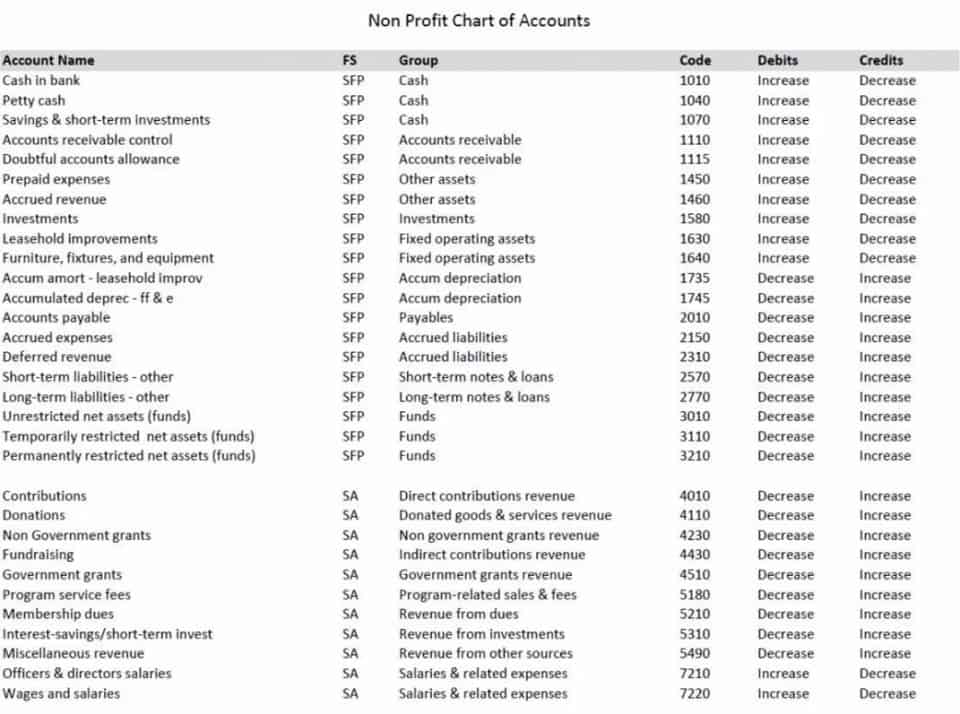
Sales and Expenses
- In very small businesses, there might be very few transactions and not a whole lot to do.
- Bookkeeping remains a valuable entry point into finance, but the career path is evolving.
- Standard methods of bookkeeping are the double-entry bookkeeping system and the single-entry bookkeeping system.
- Bookkeepers play a significant role in generating financial reports that provide insights into a business’s financial health.
- Accrual accounting provides a more accurate picture of a business’s financial health than cash accounting, as it considers all of the financial transactions for a given period.
- Organizations can promote bookkeepers to accounting manager or analyst roles.
Start by reaching out to other business owners for recommendations, searching online for providers and checking out reviews on Google or what is a bookkeeper Yelp. If you don’t feel comfortable with a freelancer, there are many firms that offer bookkeeping services as well. While there are a myriad of courses available for bookkeeper education and training, a good deal of bookkeepers are self-taught since there are no required certifications needed to work as one. The skills needed to become a successful bookkeeper are often acquired through working in a career in the finance industry or even by balancing your personal budgets. Many bookkeepers hone and develop their expertise over time while others opt to complete seminars, read books or take online classes.
- A bookkeeper is also responsible for managing accounts payable, which involves tracking the amount your business owes to creditors, vendors, and suppliers.
- A bookkeeper must prepare and file various tax returns, including income, sales, and payroll taxes, by the appropriate deadlines.
- In Winnipeg, that meant a full-time cashier position at Canadian Tire and part-time private home care work, whatever it took to…
- Their capabilities extend to managing a general ledger, the core financial record where all transactions are recorded.
- We’ll cover key aspects of the job, including budgeting, invoicing, managing accounts payable and receivable, and working with accounting software.
- In smaller businesses, bookkeepers may prepare tax returns, calculate payroll, or analyze spending patterns to support operations.
- A bookkeeper will also likely be the one to follow up with customers regarding overdue invoices.
Timeliness
With new technologies and changing regulations, these professionals need to keep learning and growing to stay ahead of the curve. Whether you’re thinking about becoming a bookkeeper or looking to hire one, understanding the ins and outs of this job is key to making smart financial decisions. In the end, a good bookkeeper can be the difference between a business that thrives and one that struggles to keep its head above water. For bookkeepers, acquiring new skills and staying current with industry trends can significantly impact their career trajectory. Continuous learning is essential as it involves expanding the bookkeeper’s knowledge base and equipping them with new abilities. This can be achieved by attending workshops, taking online courses, participating in professional organizations, and seeking mentorship from experienced professionals in the field.
Each accounting system does this a bit differently, but let me point out a couple things we do to make this process a bit easier. Let’s say I sold $10,000 worth of ice cream, but before I made that Grocery Store Accounting sale, I had to pay $5,000 to produce it (buying milk, sugar, vanilla, paying for shipping, etc.). My $5,000 profit — sales minus expenses — is what I’ve contributed to owner’s equity. Let’s go through these one at a time to understand a little bit more about the bookkeeper’s work. Within QuickBooks you can easily track how much money you have going out and how much is coming in. When someone pays you, you need to apply that to the invoice so your client knows it’s paid, and then send some type of receipt to the sender so they know the money was received.
What are the key differences between the roles of a bookkeeper and an accountant?

Building a solid foundation in bookkeeping helps you organize receipts and reconcile accounts, and equips you to interpret your business’s financial health to avoid costly mistakes. Professional development for bookkeepers is fundamental in staying current with the latest accounting practices and maintaining accuracy in financial reporting. It encompasses a range of activities from gaining certifications to advancing within the field through enhanced accounting knowledge and experience. In the realm of bookkeeping, reconciliation and compliance are crucial responsibilities that ensure financial accuracy and adherence to pertinent regulations. A bookkeeper must perform precise reconciliations while making certain that the business’s operations are in strict compliance with legal and taxation mandates.